Part 1: Tibetan Refugees in Nepal
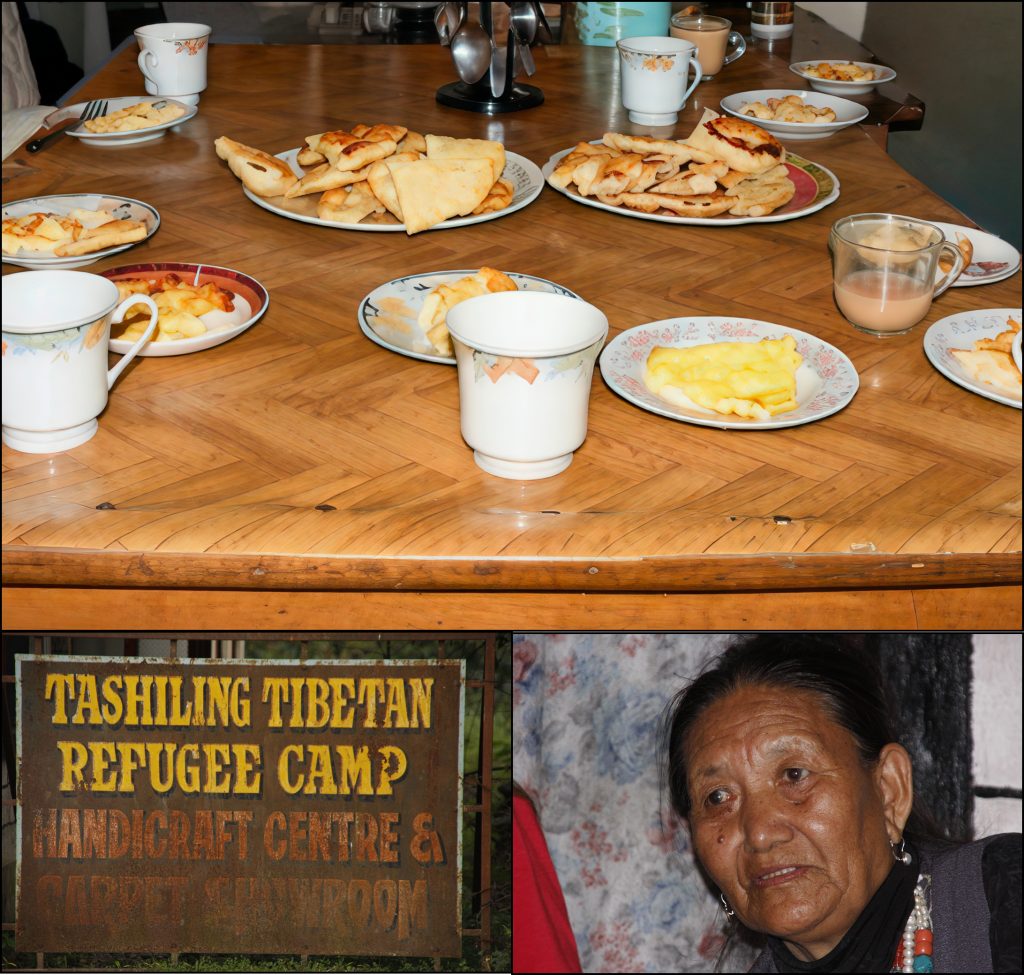
Tea. A drink enjoyed all over the world, in seemingly endless variations. From real tea, to South American mate tea, to various drinks that have nothing to do with tea except for the name.
My first memory of tea goes back far to childhood, when we had a cold and our parents forced us to drink endless amounts of tea with lemon. Rosehip or linden. Back then, we thought that the only real tea was what we called Russian tea. Snobs knew Earl Grey. And, of course, the morning tea with a splash of rum for the working class (heroes).
Did you know that tea has been enjoyed for more than four thousand years? It originates from China, of course. Today we know several basic types of tea — green, black, oolong, white and pu-erh — all of which come from the same plant, Camellia sinensis.
Later, I drank tea on my travels in the most incredible parts of the world. In a Tibetan refugee camp in the foothills of the Himalayas, in the morning silence of the Sahara Desert, in the tents of nomads high on the plateaus of Ladakh and in the bustling streets of Marrakech. Each cup had its own taste, each cup its own story.
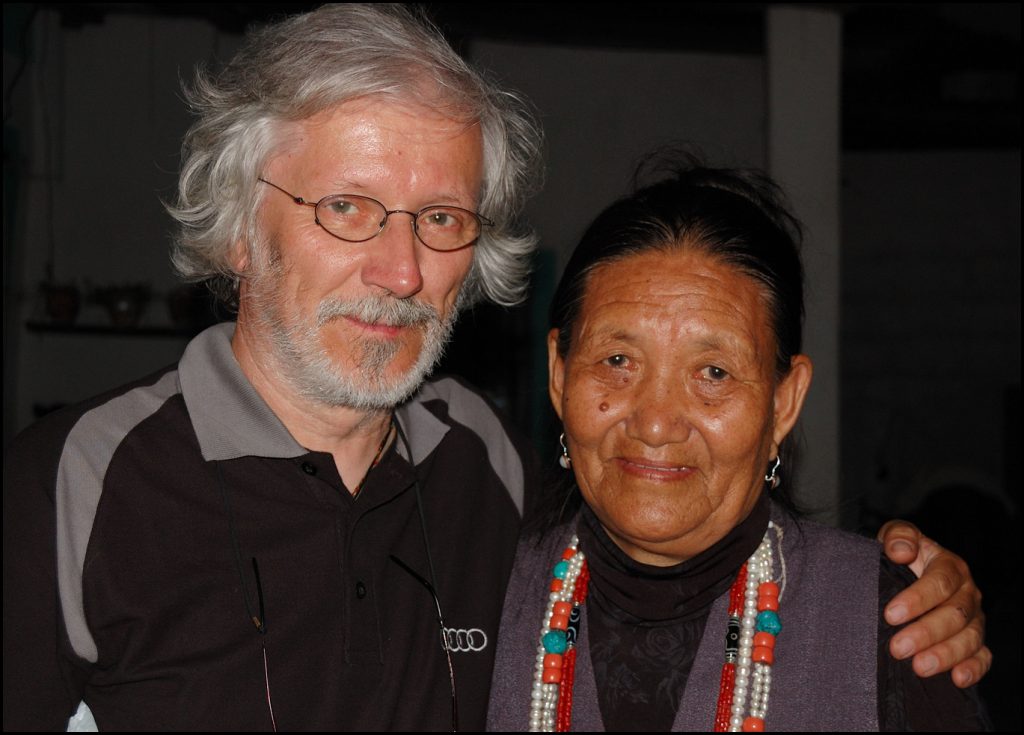
It was late in the fall of 2007. After a tiring trek around Annapurnas, I only caught my breath in Pokhara. My friend Ignatio had a friend in a Tibetan refugee camp. And of course we visited her. Sonam W. was an elderly lady. She had fled from Tibet in the first wave of refugees. Ignatio was not with us, but she was still very happy. She had a small shop in the camp where she sold souvenirs to tourists. I didn’t buy anything, but she still gave me some of those wristbands that are supposed to ward off evil spirits.
She quickly closed the shop and invited us to her place for tea. As is the custom here, refusing would have been an extremely rude and unfriendly act.
You can imagine what her place looked like, a simple wooden shack with a corrugated tin roof. A concrete brick wall. Two small rooms where she lived with her daughters, their husbands and children. A kitchenette separated from the rest by a curtain.
We talked about their fate and the difficult life as refugees. That only one of her daughters’ husbands was employed, because as refugees their rights were very limited..
She served a very sweet and dark tea. Meanwhile, one of her daughters fried some eggs and served them to us. I felt helpless. Despite having so little, when they could hardly afford anything, they served us food. To us, westerners, who can afford a lot.
That’s when I saw what humanity, warmth and generosity of spirit are.
They have nothing, and they share this nothing with us…
To this day, I still keep her email.
“Thank you very much for the mail. I was so touched and happy even though you have written just four words–you are not alone–but it meant a lot to me and my Tibetan families around the world.”